



The Role of Professional Cleaning in Enhancing Indoor Air Quality
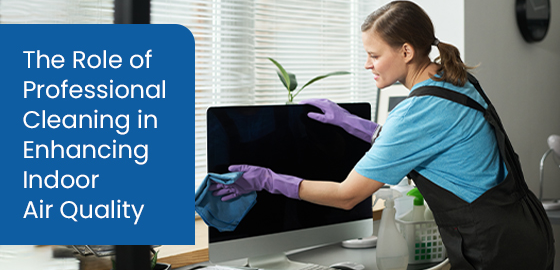
Indoor air quality has become a growing concern for businesses aiming to maintain a healthy and productive work environment. Poor air circulation, trapped pollutants, and dust control issues can all impact how employees feel and perform throughout the day. As companies place more focus on workplace health and operational efficiency, professional cleaning has emerged as a frontline solution.
In this blog, RBC Clean explains how routine janitorial services play a critical role in improving indoor air quality, supporting workplace health, and creating cleaner air where it matters most.
Why Indoor Air Quality Should Be a Workplace Priority
The link between poor air and employee wellness is well established. Headaches, fatigue, allergy symptoms, and difficulty concentrating are just a few ways that compromised air impacts productivity.
Over the long term, poor indoor air quality can contribute to chronic respiratory issues and make it harder to retain top talent. On the other hand, a clean-smelling, fresh, and dust-free space reflects well on your brand and boosts morale.
Investing in workplace health through professional cleaning helps create an environment where people feel better, perform better, and stay longer.
How Professional Cleaning Improves Indoor Air Quality in the Workplace
Cleanliness isn’t just about appearances. In commercial settings, regular cleaning has a direct effect on the quality of the air people breathe. From reducing allergens to supporting air purification, effective cleaning practices contribute to a healthier indoor environment for everyone.
Dust and Allergen Control
Dust mites, pollen, and other allergens tend to collect in office carpets, upholstered furniture, and air vents. When disturbed, these particles become airborne and can cause irritation or trigger respiratory issues in sensitive individuals.
Professional cleaning teams use HEPA-filtered vacuums and targeted cleaning techniques to remove these particles at the source. High-touch surfaces and soft furnishings also receive special attention to reduce the spread of dust and allergens, which is key to maintaining healthier indoor air quality.
Mould and Moisture Prevention
Moisture-prone areas like bathrooms, kitchens, and around HVAC systems can quickly become breeding grounds for mould. If left unchecked, mould spores can spread through ventilation systems and compromise indoor air quality, leading to serious health risks.
Cleaning protocols designed by experienced janitorial providers include disinfecting surfaces, identifying potential leaks, and removing condensation before it leads to mould growth. Preventing moisture buildup is one of the most effective long-term strategies for healthier air and better air purification.
HVAC and Vent Cleaning Support
Dust and debris in ventilation ducts can be recirculated back into the workplace through the HVAC system. Over time, this can significantly reduce indoor air quality, especially in older buildings or high-traffic spaces.
Professional janitorial services like those offered by RBC Clean support HVAC maintenance with cleaning routines that keep vents and air pathways clear. When cleaning and ventilation work together, businesses see better overall air purification and circulation.
Chemical-Free or Low-VOC Cleaning Products
Office cleaning products can significantly impact air quality. Harsh chemicals release volatile organic compounds (VOCs), which linger in the air and may cause irritation or long-term health issues for building occupants.
At RBC Clean, we prioritize low-VOC and eco-friendly solutions that maintain hygiene without compromising workplace health. Our teams select products based on performance and safety, ensuring that cleanliness never comes at the cost of cleaner air and supporting air purification goals.
Reducing Airborne Pathogens
Bacteria and viruses can linger on surfaces and, in some cases, become airborne. Consistent disinfection routines reduce these risks and lower the chance of workplace illness.
A cleaner office with disinfected surfaces contributes to fewer airborne contaminants. Combined with dust control and safe product use, this helps support stronger employee wellness and improved indoor air quality.
RBC Clean’s Commitment to Workplace Health and Air Quality
RBC Clean understands that surface-level cleaning is not enough to protect your team. Our janitorial services are built with indoor air quality in mind, using best practices that extend beyond visible cleanliness.
We use HEPA-filter vacuums for superior dust control, non-toxic cleaning products that support safer air purification, and detailed protocols that cover everything from vents to high-touch surfaces. Our goal is to deliver measurable improvements in cleanliness and air freshness.
Whether you are managing a high-rise office or a multi-unit facility, RBC Clean offers customized solutions based on the unique needs of your workspace.
Breathe Easier at Work with RBC Clean
Professional cleaning is one of the most effective ways to support cleaner air, healthier employees, and smoother operations. By focusing on dust control, surface disinfection, safe cleaning products, and HVAC support, you can transform your air quality from a liability into a business asset.
RBC Clean brings decades of experience and a proven track record of improving workplace health and indoor air quality for a wide range of industries. Our team understands the link between clean environments and peak performance, and we deliver tailored services that support both.
Reach out to RBC Clean today at 1-855-493-9259 or contact us online.
Frequently Asked Questions
How does office cleaning improve indoor air quality?
It removes dust, allergens, mould spores, and other pollutants that contribute to poor air and interfere with effective air purification.
Can cleaning products harm air quality?
Yes. Harsh chemicals can release VOCs. That is why low-VOC or eco-friendly alternatives are better for preserving indoor air quality and supporting workplace health.
Do dirty carpets affect the air we breathe?
Absolutely. Carpets trap dust and allergens, which can become airborne if not cleaned regularly, affecting indoor air quality and requiring better dust control.
Should I clean vents and ducts as part of air quality management?
Yes. Dust buildup in vents can circulate through your HVAC system, lowering air quality. Routine cleaning supports long-term air purification.
How often should an office be cleaned to maintain healthy air?
High-traffic areas should be cleaned daily. Full offices should have weekly and monthly deep cleaning routines, depending on usage and occupancy, to preserve strong indoor air quality and improve workplace health.