



Top 6 Benefits of Industrial Cleaning for Manufacturing Facilities
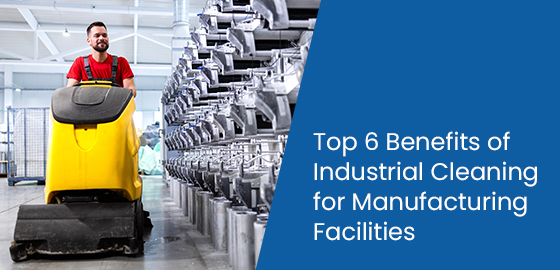
Industrial cleaning in manufacturing goes far beyond a quick sweep at the end of a shift. It can involve cleaning and disinfecting production areas, removing dust from high surfaces, clearing debris from work zones, addressing spills, cleaning around equipment, and managing buildup in places that routine janitorial work may not reach.
In a manufacturing facility, cleanliness is tied directly to how safely and efficiently the site runs. Dust, residue, clutter, and contaminants can interfere with equipment, create hazards for workers, and make inspections more stressful than they need to be. Good workplace housekeeping helps prevent injuries and fires, supports better use of space, and keeps materials from becoming hazards.
For facility managers and decision-makers, industrial cleaning is not just about appearances. It is part of keeping production moving, protecting workers, and maintaining a facility that is ready for daily demands.
Why Industrial Cleaning Matters in Manufacturing Environments
Manufacturing environments are active, crowded, and often complex. Machinery, materials, packaging, waste, chemicals, oils, and foot traffic can all contribute to buildup over time. A clean site gives teams better visibility, easier movement, and fewer avoidable interruptions.
Cleanliness also supports compliance. Ontario’s Regulation 851 for industrial establishments falls under the Occupational Health and Safety Act and applies to many industrial workplaces. Ontario also continues to run workplace health and safety compliance campaigns, with 2026 to 2027 inspections taking place from April 1, 2026, to March 31, 2027.
A manufacturing cleaning plan should be viewed as a practical operating tool. It helps control risk before it turns into downtime, rejected work, blocked access, or safety concerns.
1. Improved Workplace Safety
Debris, spills, dust, and loose materials can quickly turn a busy production area into a hazard. A small spill near a workstation can become a slip risk. Dust buildup around electrical equipment or high surfaces may contribute to fire concerns. Obstructed access around machinery can slow down workers who need to move safely through the area.
Regular factory cleaning services help reduce those risks by keeping floors, aisles, equipment areas, and elevated surfaces cleaner and easier to monitor. CCOHS specifically connects housekeeping with preventing slips, trips, falls, fires, and blocked access to exits or safety equipment.
Fewer hazards can mean fewer stoppages, fewer incident reports, and less exposure to liability; for a facility manager, that can protect both people and production schedules.
2. Enhanced Equipment Performance
Dust and residue do not stay politely in one corner. They settle on machinery, vents, motors, sensors, panels, and surrounding surfaces. Over time, buildup can interfere with airflow, make equipment run hotter, hide early warning signs, or contribute to unnecessary wear.
A regular industrial cleaning schedule can help keep equipment areas clear enough for maintenance teams to work properly. It also makes it easier to notice leaks, residue, unusual dust patterns, or blocked components before they become larger problems.
The cost benefit is not only in the cleaning itself. Reduced breakdowns, fewer emergency repairs, and better maintenance access can all help protect the life of machinery.
3. Regulatory Compliance Support
Manufacturing facilities often need to be ready for inspections, audits, internal safety reviews, and customer visits. Cleanliness may not be the only requirement, but it can influence how prepared and controlled a facility appears.
Professional industrial cleaning helps maintain areas that are easy to inspect and document. Floors, production zones, storage areas, high surfaces, vents, and access points can all affect how confidently a facility handles compliance-related reviews.
Clean conditions also reduce the chance that small issues, such as blocked paths, accumulated waste, or residue near equipment, become findings during an inspection. The goal is not to clean only when an audit is coming. The stronger approach is to keep the facility closer to inspection-ready as part of normal operations.
4. Increased Operational Efficiency
A clean manufacturing environment is easier to work in. Workers spend less time moving around clutter, looking for clear access, or waiting for maintenance issues caused by buildup. Materials are easier to organize, equipment is easier to reach, and supervisors can spot problems faster.
The link between cleanliness and productivity often shows up in small daily moments. A blocked aisle delays movement. Dust near machinery slows maintenance. A cluttered workstation increases handling time. These interruptions may seem minor on their own, but they can add friction across an entire shift.
Manufacturing cleaning also helps separate routine mess from true operational problems. When the baseline environment is clean, leaks, residue, unusual debris, and recurring contamination become easier to identify.
5. Better Product Quality
Contamination can affect product integrity, especially in facilities where dust, oils, fibres, residues, or airborne particles can reach materials or finished goods. Even when the product itself is not highly sensitive, a poorly maintained environment can increase rework, defects, and customer complaints.
Clean production areas support more consistent output. Work surfaces, equipment surroundings, packaging zones, and storage areas all play a role in protecting materials from unnecessary exposure.
For facilities where products must be cleaned and disinfected, the cleaning process also needs to match the environment. RBC Clean uses products that clean and disinfect when appropriate, helping manufacturing teams support cleaner spaces without treating every area as if it has the same level of risk.
6. Improved Employee Morale
People notice the condition of the space they work in. A clean, organized facility can send a clear message that safety, professionalism, and the work environment are taken seriously.
Workers are more likely to feel supported when their surroundings are maintained. Clean floors, organized work zones, clearer paths, and reduced residue can make daily tasks feel less frustrating. That can influence morale, productivity, and retention over time.
A neglected facility can have the opposite effect. Clutter and grime can make employees feel like problems are being ignored. Cleanliness will not solve every workplace issue, but it can contribute to a safer and more respectful environment.
When Manufacturing Facilities Need Industrial Cleaning
A facility may need professional industrial cleaning when buildup is visible on equipment, high surfaces, vents, floors, beams, or production areas. Other signs include recurring slip hazards, increased dust, blocked access points, odours, failed inspections, near misses, or maintenance issues linked to contamination.
Frequency depends on the type of manufacturing, shift volume, materials used, traffic levels, and how quickly debris or residue accumulates. Some areas may need routine cleaning daily or weekly, while high-level cleaning, deep cleaning, or specialized cleaning may be scheduled monthly, quarterly, seasonally, or around shutdown periods.
The best timing is usually before buildup starts affecting safety, workflow, or compliance readiness.
Get the Most from Industrial Cleaning Services
Industrial cleaning can improve safety, support equipment performance, reduce compliance stress, improve workflow, protect product quality, and contribute to a better workplace. For manufacturing facility managers, the real value is control: fewer avoidable hazards, cleaner work zones, and a facility that is easier to manage.
RBC Clean provides high-level cleaning services that can support manufacturing and industrial environments where dust, debris, and hard-to-reach buildup need professional attention. Located in Aurora, we service all of Southern Ontario and the GTA.
Reach out to RBC Clean today at 1-855-493-9259 or click here to get in touch online.
FAQ
What is industrial cleaning in manufacturing?
Industrial cleaning is the cleaning of production spaces, equipment areas, floors, high surfaces, storage zones, vents, and other parts of a manufacturing facility. It may include removing dust, debris, residue, spills, contaminants, and buildup that routine cleaning may not fully address.
How often should a factory be cleaned?
Cleaning frequency depends on the facility’s size, production schedule, materials, traffic levels, and safety requirements. Routine cleaning may happen daily or weekly, while deeper cleaning or high-level cleaning may be scheduled periodically based on buildup, inspections, or planned shutdowns.
Why is industrial cleaning important for safety?
Industrial cleaning helps reduce hazards such as spills, dust, clutter, blocked walkways, and debris around equipment. Cleaner work areas can lower the risk of slips, trips, falls, fire hazards, and interruptions caused by unsafe conditions.
Can industrial cleaning improve productivity?
Yes. Cleaner manufacturing environments can improve workflow, reduce maintenance interruptions, make equipment easier to access, and help workers move through the facility more efficiently. A well-maintained space can also make it easier to spot problems before they slow production.