



Why Regular Industrial Cleaning Is Essential for Workplace Safety
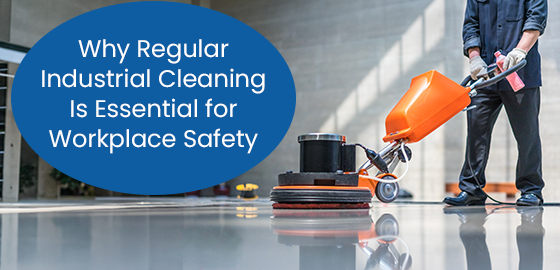
In active facilities, cleanliness affects far more than appearance. It has a direct impact on how safely people move, work, and interact with equipment throughout the day. In warehouses, plants, loading zones, and other demanding environments, spills, dust, debris, and clutter can quickly turn into safety risks if they are not addressed consistently. That is why industrial cleaning should be treated as part of a workplace safety strategy, not just a maintenance task.
At RBC Clean, we work with facilities that need more than surface-level service. They need routines that support safer operations, cleaner work areas, and more controlled environments across Southern Ontario and the GTA. When cleaning is consistent, it becomes one of the simplest ways to reduce risk and support smoother day-to-day operations.
The Workplace Safety Benefits of Regular Industrial Cleaning
Regular industrial cleaning helps create a safer work environment by reducing hazards before they become larger problems. In busy facilities, conditions can change quickly. A spill on the floor, dust around machinery, or clutter near walkways can interfere with movement and raise the chances of injury. Routine cleaning helps keep those risks under control.
It also supports safer workflows. When floors are clear, workstations are maintained, and problem areas are addressed on schedule, employees can move through the facility with fewer distractions and fewer avoidable hazards. That consistency matters in spaces where safety depends on reliable systems and clear access.
Reducing Slip, Trip, and Fall Risks in Active Work Areas
Slip, trip, and fall incidents remain some of the most common workplace safety concerns in industrial and commercial environments. In active work areas, hazards can build up fast. Wet spots, loose packaging, dust, and cluttered pathways can create dangerous conditions for employees, contractors, and delivery teams.
Routine floor cleaning and clear walkways are especially important in warehouses, manufacturing spaces, and other high-traffic areas. A consistent cleaning schedule helps prevent these issues from lingering long enough to cause accidents.
Common hazards that regular cleaning helps address include:
- spills on production or warehouse floors
- dust and debris collecting in walkways
- loose materials or packaging in traffic paths
- clutter around loading zones and workstations
Preventing Dust and Debris Buildup Around Equipment
Industrial spaces collect dust, dirt, and residue quickly, especially around machinery, storage racks, ventilation points, and less accessible areas. When that buildup is ignored, it can affect the surrounding work environment and add unnecessary risk to daily operations.
Regular industrial cleaning helps reduce that buildup and supports safer equipment use by keeping work zones cleaner and easier to manage. It also helps facilities avoid the gradual decline that comes from letting residue accumulate over time.
Specific problem areas often include:
- Equipment bases and surrounding floor space where dust and debris collect.
- Storage areas where loose material can build up and affect safe access.
- Ventilation points where dirt and residue can interfere with airflow.
- Hard-to-reach ledges, beams, and overhead areas contribute to ongoing contamination below.
Neglected buildup can increase operational risk, interfere with visibility, and make the overall facility harder to manage safely.
Supporting Healthier Conditions for Employees
A cleaner facility can also support healthier working conditions. In busy industrial settings, employees may be exposed to grime, airborne particles, residue, and other contaminants that build up during normal operations. Routine cleaning helps reduce that exposure and supports a work environment that feels safer and more controlled.
This matters for more than comfort. Cleaner surfaces and better-managed buildup contribute to employee confidence in the workplace and reinforce the idea that safety is taken seriously. Over time, that helps strengthen workplace safety culture, especially in facilities where the pace of work can make smaller issues easy to overlook.
Creating Safer Shared and High-Touch Areas
Industrial and commercial facilities are not made up of production floors alone. Break rooms, washrooms, entrances, loading zones, common workstations, and shared touchpoints also need regular attention. These areas can affect hygiene, safety, and the overall standard of the facility if they are not maintained consistently.
Routine cleaning in shared spaces helps reduce buildup, supports cleaner traffic flow, and keeps frequently used areas in better condition. That includes entrances where dirt and moisture are tracked in, lunchrooms where surfaces are used by multiple teams, and washrooms that need steady attention to remain safe and usable.
Improving Visibility, Organization, and Daily Workflow
Clean environments are usually easier to organize and safer to move through. When storage areas are maintained, floor markings remain visible, and clutter is controlled, employees can navigate the facility more confidently and with fewer distractions. That reduces the chance of overlooked hazards and supports smoother workflow from one area to the next.
In contrast, disorganized spaces can create confusion, slow down movement, and make it harder to spot safety issues before they escalate. Routine cleaning helps preserve labelled zones, clearer lines of travel, and more orderly storage conditions, all of which contribute to safer and more efficient operations.
Why Industrial Cleaning Supports Compliance and Risk Management
Regular industrial cleaning also plays a role in compliance and risk management. In facilities with strict safety expectations, cleaning routines help support internal standards, inspection readiness, and a more disciplined operating environment. A cleaner workspace makes it easier to identify hazards, document maintenance efforts, and show that safety procedures are being followed consistently.
Documented cleaning routines are especially useful in environments where accountability matters. They help demonstrate that the facility is taking proactive steps to reduce risk rather than reacting only when problems appear.
Industrial Cleaning and Commercial Cleaning Needs in Complex Facilities
Many facilities need more than one type of service. In multi-use environments, industrial cleaning often overlaps with commercial cleaning needs in offices, entrances, shared employee spaces, and administrative areas. That is why businesses benefit from providers who understand specialized environments as well as the broader needs of the entire facility.
The right cleaning partner should be able to work around access requirements, safety-sensitive zones, and different usage patterns across the building. That level of understanding is especially important in complex facilities where standards must remain consistent from floor to floor.
How Industrial Cleaning Helps Maintain Safer Work Environments Over Time
Regular industrial cleaning does more than keep a facility looking maintained. It helps reduce hazards, support workplace safety, and create a cleaner, more controlled environment where employees can work with greater confidence. From managing spills and debris to keeping shared spaces and equipment areas in better condition, routine service supports safer daily operations over the long term.
With a consistent approach and the right provider, industrial cleaning can help businesses reduce hazards, support workplace safety, and maintain cleaner, more controlled environments over time. Based in Aurora and servicing all of Southern Ontario and the GTA, RBC Clean is equipped to support facilities with reliable, safety-focused cleaning solutions. Reach out to RBC Clean today at 1-855-493-9259 or click here to get in touch online.