



Office Floor Deep Cleaning: When and How to Schedule Professional Scrubbing for Optimal Results
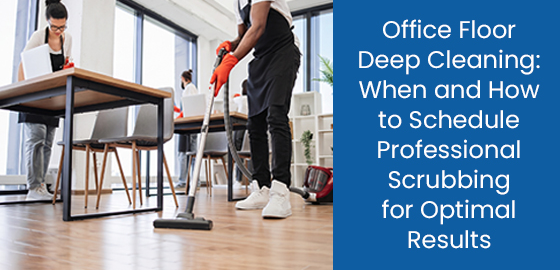
Office floors deal with more than daily foot traffic. Dirt, grit, spills, salt, moisture, and cleaning residue can gradually wear down the surface, dull the finish, and make high-traffic areas look older than they are. Clean floors also affect how employees, clients, and visitors feel about the space.
Routine sweeping and mopping help, but they can only do so much. Professional floor cleaning services clean and disinfect more deeply, reaching the buildup that standard maintenance often leaves behind. With the right schedule, office managers can protect flooring, reduce safety concerns, and avoid scrambling when the floors already look worn.
When and How Offices Should Schedule Floor Cleaning Services
Timing matters as much as the cleaning itself. A deep clean scheduled too late may require more intensive work, while a poorly planned service can interrupt staff, visitors, and daily operations.
The goal is to build floor care into facility maintenance before the floors become a problem. The sections below break down when to schedule professional cleaning, how to prepare, and what to expect from the process.
Signs Your Office Needs Deep Floor Cleaning
The most obvious signs are stains, dull patches, scuff marks, sticky residue, or discolouration in walkways. High-traffic areas near entrances, elevators, reception desks, kitchens, hallways, and washrooms usually show wear first.
Subtle signs can be just as telling. A floor may look clean after mopping but still feel dull, slippery, or uneven. Grout lines may darken. Corners may collect buildup. A lingering odour can also point to trapped dirt or moisture that surface cleaning is not removing.
Once routine cleaning stops restoring the appearance of the floor, it is usually time to schedule deeper service.
How Often to Schedule Professional Floor Cleaning
There is no single schedule that works for every office. A small professional office with light traffic may need deep floor cleaning a few times a year. A busy workplace with clients, staff, deliveries, or public access may need more frequent service.
Industry also matters. Medical offices, retail spaces, schools, restaurants, and industrial offices often face heavier soil, stricter hygiene expectations, or more visible wear. Seasonal conditions can change the schedule too, especially when snow, salt, and moisture are tracked indoors.
A regular assessment is often more useful than relying only on a fixed calendar. Traffic patterns, flooring material, weather, and business activity should all guide the timing.
Choosing the Right Time for Minimal Disruption
Professional scrubbing is easier to manage when it happens outside peak operating hours. Evenings, weekends, holidays, or low-traffic periods can give cleaning crews the room they need while keeping staff and visitors away from wet or restricted areas.
Planning ahead also helps managers communicate clearly with employees. Staff may need to move personal items, avoid certain entrances, or use alternate routes while floors dry.
For larger offices, cleaning can sometimes be scheduled in sections. That approach keeps parts of the workplace accessible while still allowing crews to complete the work properly.
Preparing Your Office Before Cleaning Day
Preparation reduces delays and helps the crew work efficiently. Furniture, boxes, bins, floor mats, loose cables, and small equipment should be moved from the cleaning area whenever possible.
Employees should know which areas will be cleaned and when access may be limited. Sensitive spaces, locked rooms, server areas, storage rooms, and private offices should be identified before the crew arrives.
A simple preparation checklist can help:
- Remove obstacles from walkways and floor areas
- Secure confidential documents and sensitive equipment
- Move lightweight furniture and personal items
- Notify employees about temporary access limits
- Confirm parking, entry, and after-hours access for the crew
Clear access means less wasted time and fewer interruptions.
What to Expect During Professional Floor Scrubbing
Professional floor scrubbing usually involves commercial-grade equipment, cleaning solutions, disinfecting products, and a planned workflow based on the flooring type. Crews may sweep, vacuum, apply cleaning solution, scrub the surface, extract residue, rinse, and allow the floor to dry.
Some noise is normal, especially when machines are used in open office areas or hallways. The timeline depends on the size of the space, the flooring material, the soil level, furniture movement, and whether multiple areas are being cleaned.
Office managers do not need to supervise every step, but someone should be available to answer access questions or approve any needed adjustments.
Post-Cleaning Care and Maintenance
After cleaning, floors may need time to dry before regular use resumes. Walking on them too early can leave marks, create slip hazards, or reduce the quality of the finished result.
Routine care helps extend the benefit of professional cleaning. Daily debris removal, proper mats at entrances, prompt spill cleanup, and the right cleaning products can all help keep floors in better condition between services.
Consistency is what preserves the result. A deep clean can reset the floor, but regular maintenance keeps it from sliding back into the same condition too quickly.
Benefits of Professional Floor Cleaning Services
A clean floor changes how an office feels. The space looks more polished, employees work in a fresher environment, and visitors see a workplace that appears organized and cared for.
Deep cleaning can also help extend the life of flooring. Dirt and grit act like abrasives under foot traffic, gradually wearing down surfaces and finishes. Removing buildup reduces that wear and helps protect the investment in the flooring.
There is also a practical hygiene benefit. Professional products that clean and disinfect can support a healthier workplace, especially in shared spaces where many people move through the same areas each day.
Common Mistakes to Avoid When Scheduling Floor Cleaning
Waiting too long is one of the most common mistakes. By the time floors look severely worn, they may need more intensive work than they would have with earlier maintenance.
Poor timing can also create avoidable disruption. Scheduling deep cleaning during a busy workday, before a major meeting, or without telling staff can cause frustration. Lack of preparation creates another problem. If crews arrive at blocked areas, locked rooms, or cluttered pathways, the work may take longer or need to be rescheduled.
Clear communication, practical timing, and basic preparation help office floor cleaning run more smoothly.
Floor Cleaning Services That Keep Offices Looking Their Best
Professional floor cleaning services work best when they are scheduled before floors become visibly neglected. With proper timing, preparation, and routine commercial floor maintenance, office managers can protect flooring, support workplace hygiene, and reduce disruption during deep cleaning. At RBC Clean, we provide floor refinishing and related floor care services for businesses that want their office floors to look clean, professional, and well-maintained.
Located in Aurora and servicing all of Southern Ontario and the GTA, we help businesses plan cleaning that fits their space and schedule. Reach out to RBC Clean today at 1-855-493-9259 or click here to get in touch online.
FAQs About Floor Cleaning Services
How often should office floors be professionally cleaned?
Most offices should schedule professional cleaning based on traffic, floor type, season, and hygiene needs. Low-traffic offices may need service a few times a year, while busy facilities may need more frequent cleaning. Regular assessments help determine the right timing.
What types of floors require deep cleaning?
Tile, vinyl, hardwood, carpet, laminate, and concrete can all require professional care. Tile and grout can collect buildup, vinyl can lose shine, hardwood needs careful product selection, and carpet can trap dirt, moisture, and odours.
How long does professional floor cleaning take?
Timing depends on the size of the office, the floor type, the level of buildup, and how much furniture needs to be moved. Small areas may take only a few hours, while larger or heavily used spaces may require longer service windows or phased cleaning.
Will cleaning disrupt daily operations?
It can, but good scheduling reduces the disruption. Many businesses schedule cleaning after hours, on weekends, or during quieter periods. Communicating with staff and clearing access before the crew arrives also helps the process run more smoothly.
How can I maintain floors between professional cleanings?
Sweep or vacuum regularly, clean spills quickly, use entrance mats, follow the correct product recommendations for the flooring material, and avoid harsh cleaners that can damage finishes. Consistent office floor cleaning between professional services helps preserve the results.